A Studio Just Released a Fully AI-Generated Series Based on a 500-Year-Old Chinese Classic. Here's What That Partnership Actually Proves
Utopai Studios released PAI, a generative video model purpose-built for long-form cinematic storytelling rather than short clips, then proved it out through a partnership with an established production company adapting a beloved literary classic, a genuinely meaningful signal that AI filmmaking tools are maturing past novelty demos into content serious studios are willing to put their name on.
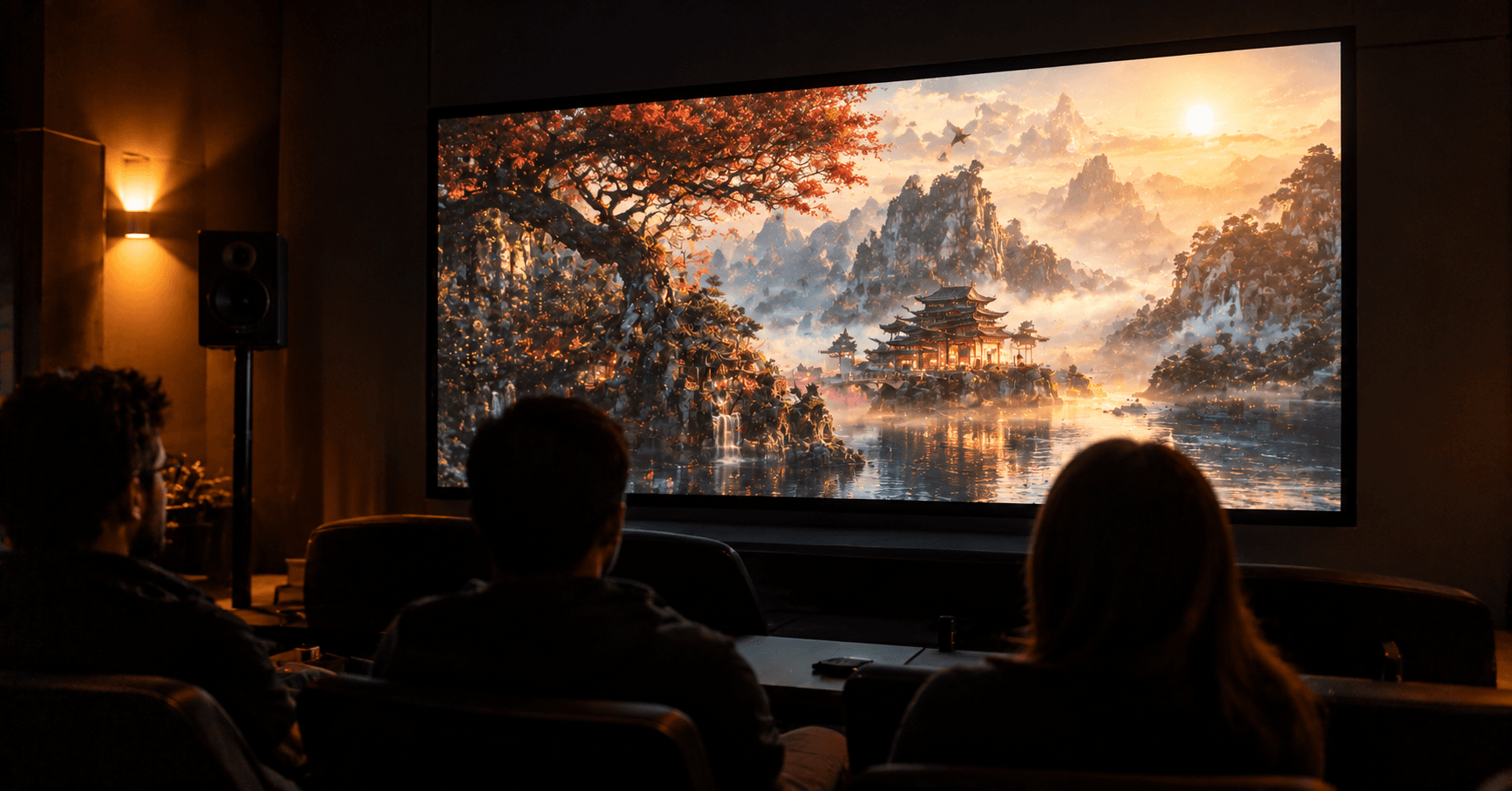
Most generative video tools to date have been evaluated on their ability to produce a striking single clip, a few seconds of visually impressive footage that demos well but rarely holds up across an actual narrative arc. Utopai Studios built PAI specifically for cinematic, long-form storytelling instead, a meaningfully harder technical and creative problem, since maintaining character consistency, tonal coherence, and narrative pacing across an extended runtime is a completely different challenge than generating one compelling shot. The real validation of that positioning came through the studio's partnership with Huace Film & TV, an established production company, to deliver a fully AI-generated Journey to the West series, choosing one of the most widely adapted and culturally significant stories in Chinese literature as the proving ground, a deliberately high-stakes choice that leaves little room for the tool to produce something that merely looks fine in isolation.
For a studio like The Quick Craft serving filmmakers and brands who want ambitious, narrative-driven video content without a traditional studio budget, this partnership is a genuinely useful reference point in client conversations, not because the specific tool needs to be the one used, but because it demonstrates that established production companies are now willing to put a beloved, culturally significant IP behind fully AI-generated content, a real trust signal for the category as a whole. It reinforces a positioning argument worth leaning into directly: AI film-making has moved past the stage where it only works for quick, disposable social content, and into territory where adapting genuinely ambitious, long-form, narrative-rich material is realistic for a small, focused creative team. Worth tracking how the series is received critically once it airs, since that reception will say a lot about where the current ceiling for AI-generated long-form storytelling actually sits, and worth referencing directly when pitching ambitious narrative work to clients who assume that level of production still requires a traditional studio-scale budget.