Magnific One Launched This Week With a Promise to Avoid the "AI Look." The Real Feature Is the Brand Kit
Magnific launched Magnific One on October 8, an image generator built to avoid the generic "AI look" and to uphold a brand's identity automatically through a Brand Kit that turns design guidelines into reusable AI instructions, with separate kits for each client brand.

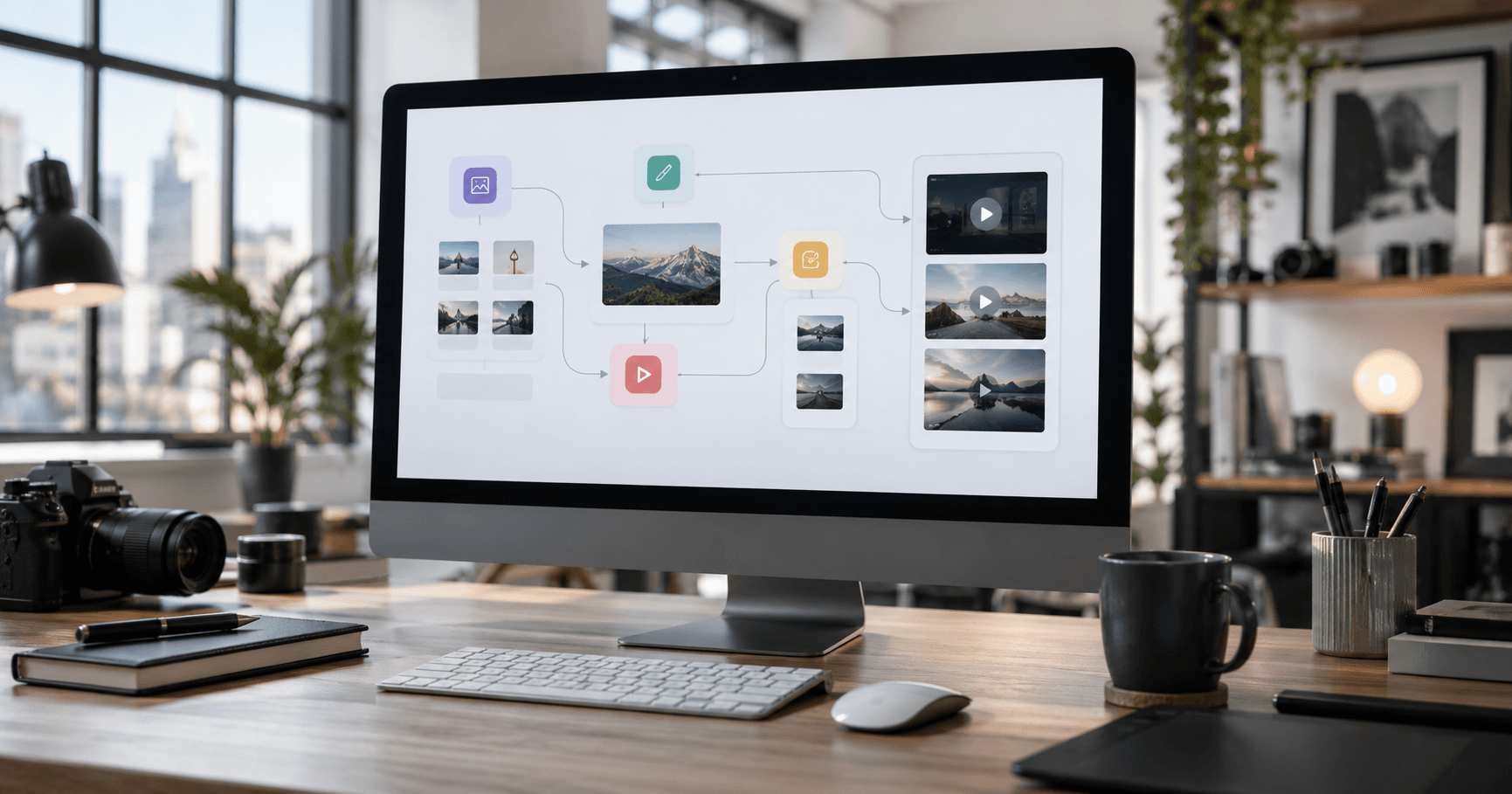
Magnific One launched on October 8 as an image generator for teams that want to avoid the "AI look" while staying faithful to their brand. The core idea is the Brand Kit, which turns corporate design guidelines into reusable AI instructions. A team supplies its existing brand materials, and an AI agent analyzes them and produces an initial representation of the brand's visual identity, covering logos, typography, color palette, imagery, and overall aesthetic. That kit then guides every generation, so outputs stay on brand without someone manually correcting each image. In a demonstration, the product built a kit for a well-known publication from publicly available information about its look. Agencies are covered as well, since an agency working with multiple customers can maintain a separate kit for each brand. The launch also follows Magnific's consolidation with Freepik, with the company reporting roughly $230 million in annual recurring revenue and more than one million paying subscribers around that rebrand.
The practical value for any brand is consistency at volume. The biggest complaint about AI imagery is not that it looks bad in isolation, it is that a batch of images rarely looks like it came from one brand, and fixing that by hand is what eats the time AI was meant to save. A tool that holds a brand's palette, typography, and aesthetic across every output makes it realistic to produce campaign variations, social sets, and seasonal refreshes in one consistent voice. Two cautions are worth keeping in mind. An automatically generated kit is only an initial representation, so a human still needs to review and refine it against the real brand, and no tool can decide what a brand should stand for. The strongest results will come from pairing a well-defined identity, built with real creative direction, with a tool that enforces it, instead of expecting the tool to invent the identity.