Autodesk Just Taught Its AI to Animate a Horse in Seconds. Here's Why "Directable" Is the Real Breakthrough
Autodesk's new MotionMaker update adds a horse motion archetype alongside existing human and canine animation presets, while a new Flow Studio 3D Editor and Canvas tool gives creators direct scene control over AI-generated output, a meaningful shift from pure generation toward genuine creative direction that keeps artists, not prompts alone, in charge of the final result.
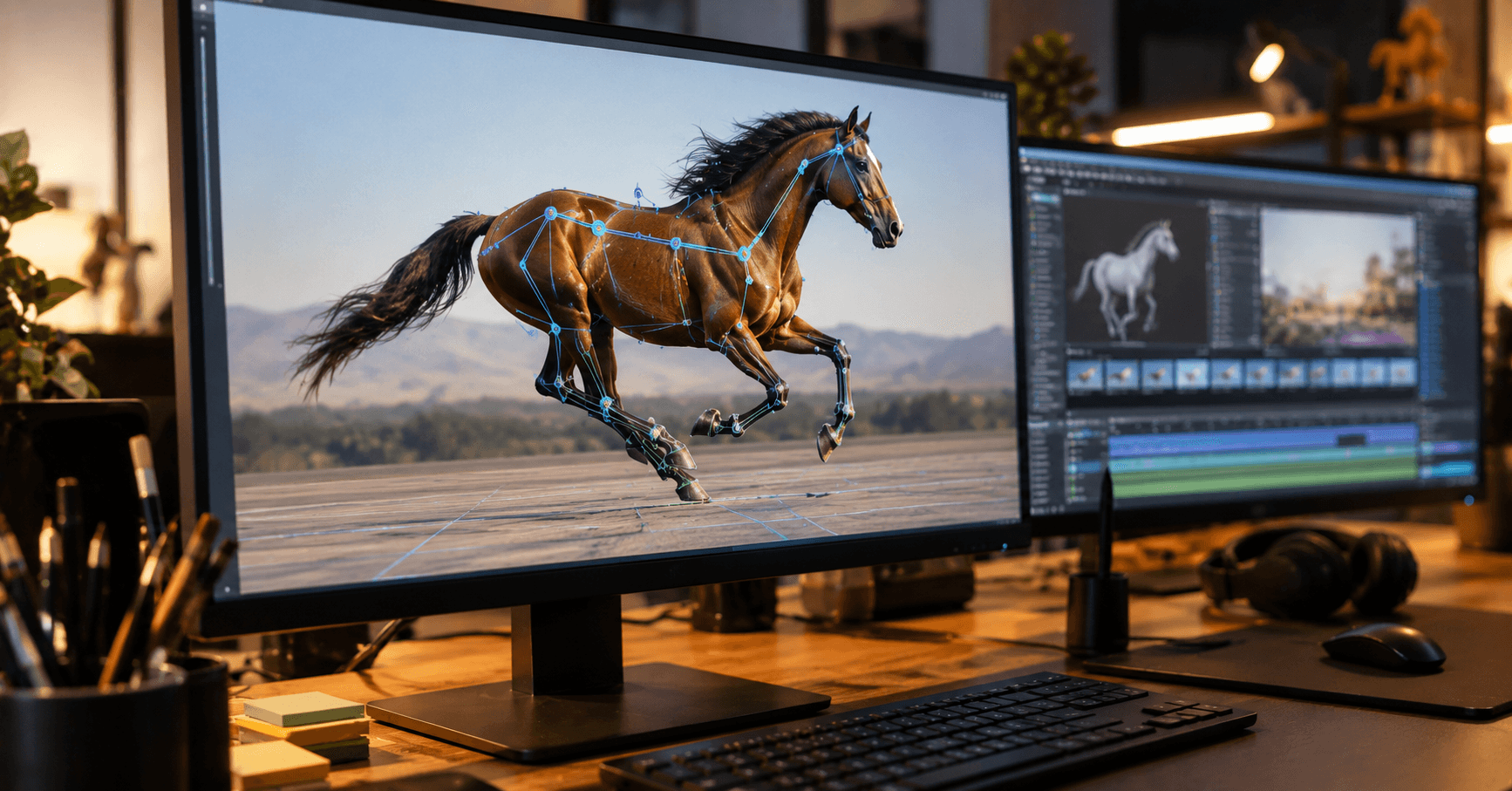
Autodesk's MotionMaker in Maya now includes a horse motion archetype that uses AI to generate a realistic base motion in seconds, building on the tool's existing biped and canine presets, with the same generated style transferable to other horse-like animals including deer and bison. Anyone who's worked in animation knows exactly why this matters: complex, physically believable movement, a horse's walk, trot, canter, and gallop each requiring distinct, anatomically correct transitions, has always eaten enormous amounts of time even for experienced animators, and getting it wrong is immediately, visibly obvious to any viewer. MotionMaker's approach isn't to hand over a finished animation and call it done, it generates a realistic base motion that stays fully editable, letting artists start from solid, natural movement and spend their actual time on performance, timing, and character personality rather than fighting the fundamentals from scratch.
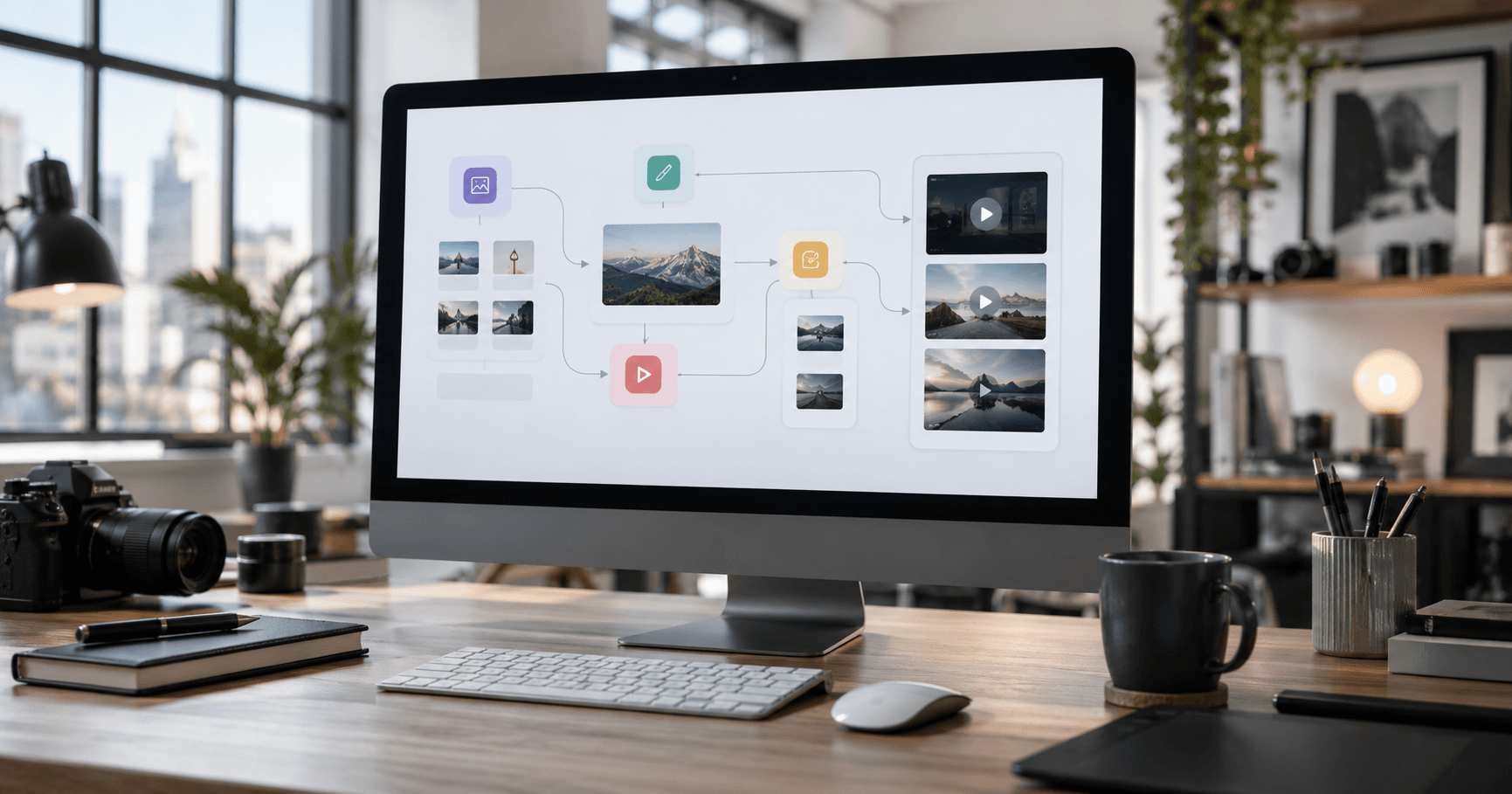
The more significant shift sits in a separate update: Autodesk's Flow Studio now includes a 3D Editor and Canvas, described as giving creators "direct 3D scene control while AI renders cinematic final outputs," explicitly framed as a move "from generation to direction." That framing is exactly the distinction worth building client conversations around at The Quick Craft, since the single biggest hesitation most brands and filmmakers still carry about AI-assisted production is a fear of losing creative control to a black-box prompt. Tools that keep a human genuinely directing scene composition, camera placement, and motion refinement, while letting AI handle the heavy technical lifting underneath, are precisely the model a "crafted by humans, powered by AI" studio should be actively showcasing: not AI replacing the director's eye, but AI collapsing the hours of manual keyframing and rigging that used to stand between a creative idea and seeing it rendered. Worth testing directly for any upcoming animated brand content or character work, and worth citing specifically when a client asks how much control they'll actually retain over the final look.