Google Will Turn Your Website Into an Ad Library From December 4. Here’s What It Means for Brand Imagery
From December 4, Google will pull images from your landing pages into new Performance Max ads by default. Here’s what that means for brand imagery and rights.
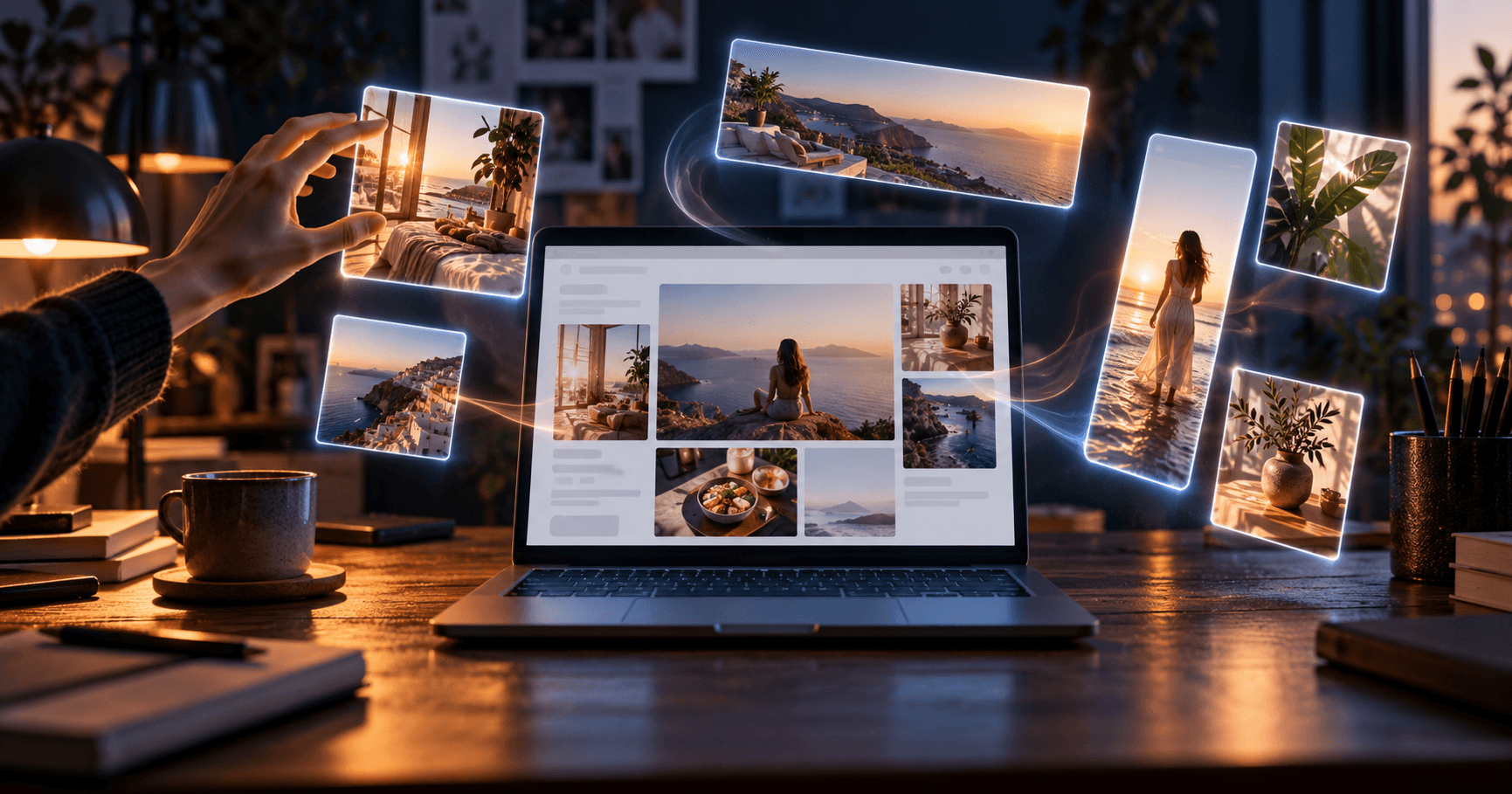
On October 21, Google announced on its Ads Developer Blog that from December 4, 2026, image extraction will be switched on by default for every newly created Performance Max campaign. The feature lets Google’s AI scan your landing pages for high-resolution images and use them in ads across Search, YouTube, Display, Discover, Gmail and Maps. The important detail is what changes. Until now, new campaigns followed your account-level “Dynamic images” setting, so brands that had switched it off were protected everywhere. From December 4, that account switch no longer governs new campaigns. Each new campaign must be explicitly opted out, at campaign level or, for API users, by setting GENERATE_IMAGE_EXTRACTION to OPTED_OUT. Existing campaigns keep their current configuration.
Google is clear about responsibility. It asks advertisers to confirm they own all legal rights to the images on their landing pages and allow Google to use them for advertising. Google’s system chooses which images to lift, but the licensing risk sits with you.
This is a bigger shift than it sounds, because it turns your website into your ad library. Every lifestyle shot, stock photo, team picture or user-submitted image on a landing page becomes a potential ad. A stock licence that covers web use may not cover YouTube or Gmail ads. An off-brand product shot, an outdated campaign visual or an image with text near the edge could appear next to headlines you wrote, in formats you never designed for. Brands can respond in two ways. The first is control: opt new campaigns out where imagery is curated, such as luxury, regulated or launch work. The second is preparation: treat landing-page imagery as ad creative. That means auditing licences, removing images you would not want in an ad, using high-resolution files with clean compositions, and keeping logos and key details away from edges so they survive cropping. Google’s separate image enhancements can already crop, uncrop, animate and filter uploaded images.
The direction is clear. Ad systems increasingly take your existing content and remix it automatically. The brands that stay consistent will be the ones whose visual library is strong enough to be remixed safely.
At The Quick Craft, we design image sets that work across every placement, from hero banners to square feed ads, with rights cleared and brand rules built in. If Google is going to borrow from your website, make sure every image there is worth borrowing.