Canva Just Stopped Calling Itself a Design Tool and Started Calling Itself an Operating System. Here's What Actually Changed
Canva AI 2.0, launched at Canva Create in April 2026, rearchitected the entire platform into what the company calls a Creative Operating System rather than simply bolting on a new AI feature, signaling that brand consistency and workflow integration, not image generation quality alone, are becoming the real competitive battleground in AI design tools.
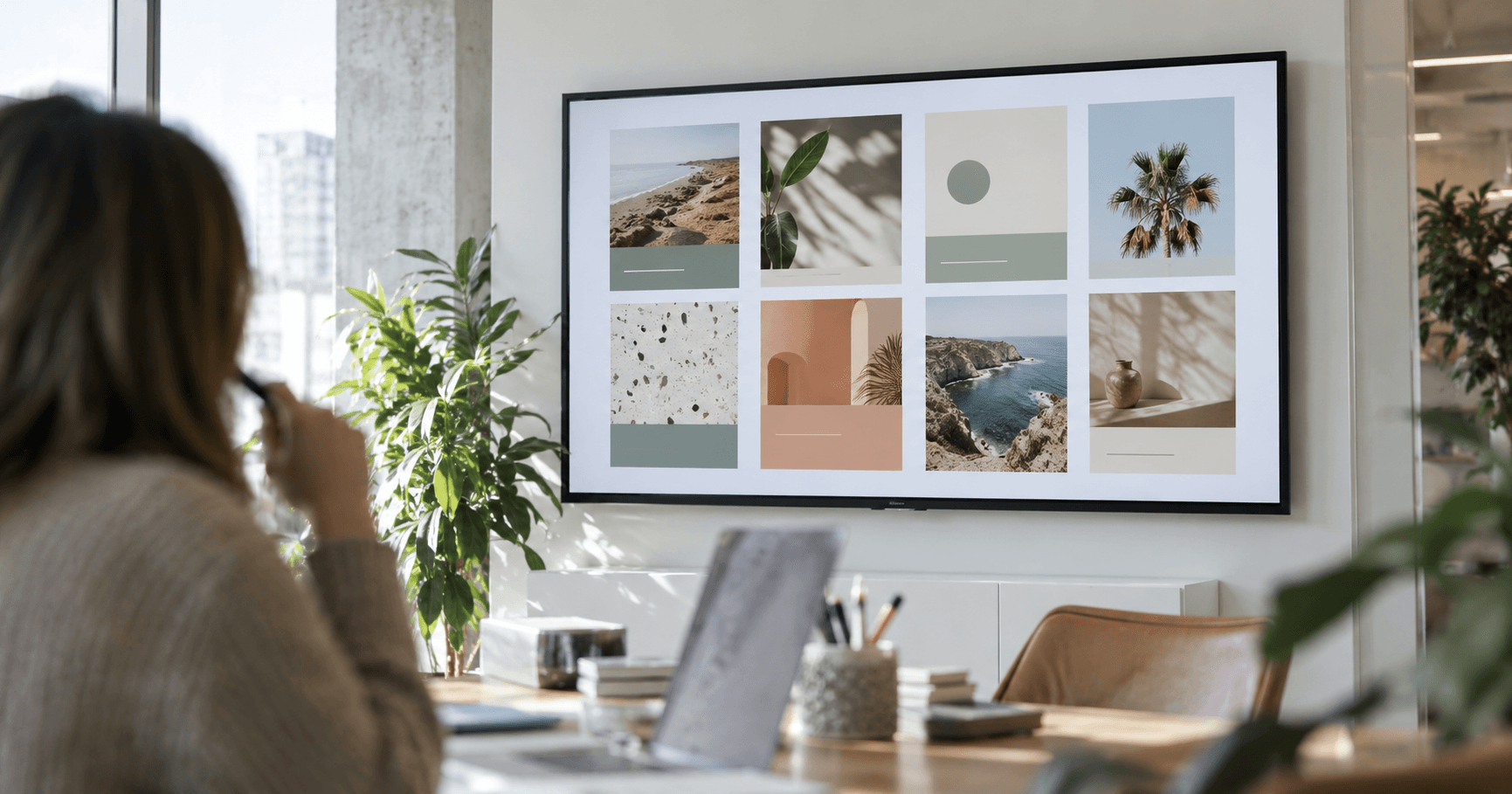
Canva AI 2.0, launched at Canva Create in April 2026, rearchitects the platform into what the company calls a Creative Operating System. The framing matters here: this wasn't positioned as a new tool bolted onto the existing product, it was described as a fundamental rearchitecture of how the entire platform works, suggesting Canva sees AI-native workflow, not a single standout feature, as the actual future shape of the product. That rearchitecture reportedly centers on what's being called a Brand Intelligence layer, a system built to keep every generated asset consistent with a brand's established identity across the platform automatically, echoing the same underlying shift toward design-system-aware AI tools showing up across the broader category right now, including in tools like Anthropic's Claude Design.
What this signals for a creative studio is a genuine shift in where the competitive line in AI design tools is actually moving. For the first couple of years of this category, the obvious differentiator between tools was raw output quality, which one produces the most visually impressive logo or layout from a prompt. That race is maturing, and the more durable differentiator emerging now is consistency and integration, whether a tool can be trusted to stay on-brand across dozens or hundreds of generated assets without a human checking every single one, and whether it plugs cleanly into an existing production workflow rather than existing as an isolated generation step. For The Quick Craft, this is worth watching as validation of a positioning opportunity rather than a threat: as mainstream, self-serve tools like Canva increasingly commoditize basic on-brand asset generation for clients who want to do it themselves, the clearer differentiator for a studio becomes the strategic brand thinking, creative direction, and quality judgment that decides which AI-assisted output is actually worth using, exactly the "crafted by humans, powered by AI" pitch the studio is already built around, now with a genuinely sharper reason clients should care about that distinction rather than just using a self-serve tool alone.